
The 5‑Out Motion Offense, a versatile system popularized by Villanova, emphasizes spacing, ball movement, and player decision‑making. This PDF playbook details set‑ups, rotations, and defensive reads, enabling teams to exploit mismatches and maintain offensive flow. Adaptable to roster, it stays timeless
Definition and Core Concepts
5‑Out Motion Offense is a dynamic, spacing‑oriented system that uses continuous player movement, ball circulation, and disciplined positioning to create high‑percentage scoring opportunities. The offense operates from a five‑man set—two high post players, two wing shooters, and a low‑post ball‑handler—each assigned specific responsibilities that evolve as the play develops. Optimal spacing (15‑20 feet) stretches the defense, opens driving lanes, and provides clear passing angles. Players must constantly read the defense, identify rotations, and make split‑second decisions about passing, cutting, or shooting. The system relies on pre‑planned motions: back‑to‑the‑ball screens, off‑ball cuts, and post‑ups, all designed to create mismatches and force the defense into uncomfortable positions. A key element is the “ball‑handler‑to‑wing” movement, which forces the defensive guard to choose between staying with the ball or covering the shooter, generating space for the ball‑handler to attack or for the wing to receive a pass. The 5‑Out Motion Offense demands high basketball IQ, excellent communication, and disciplined execution; every player must understand their role, the timing of screens, and defensive cues that dictate when to move or hold. Coaches emphasize the importance of timing and communication ensuring that each player knows when to move when to hold and how to exploit defensive lapses for maximum efficiency. This synergy fuels titles. The Villanova playbook PDF provides detailed diagrams, player assignments, and situational variations that allow teams to adapt the system while preserving the core principles of spacing, motion, and decision‑making.
Historical Evolution of Motion Offenses
From the early 1970s, motion offenses began to replace rigid set plays, emphasizing player movement and spacing. Coaches like John Wooden and later Dean Smith introduced fluid sets that allowed guards to drive, shooters to find open spots, and bigs to post‑up. The 1980s saw the rise of the “small‑ball” motion, with teams like the University of Kentucky and Indiana University using quick ball‑movement to exploit mismatches. In the 1990s, the “triangle” and “flex” concepts merged into the modern motion offense, focusing on constant motion and defensive reads. The 2000s brought the “5‑Out” system, popularized by Villanova’s coaching staff, which refined spacing to 15‑20 feet and integrated advanced pick‑and‑roll variations. This PDF playbook reflects that evolution, offering detailed diagrams and player assignments that honor the historical roots while providing a contemporary, high‑efficiency framework for modern college basketball. The system’s adaptability has made it a staple in both high‑school and collegiate programs, proving its lasting impact on the game’s strategic landscape. Modern adaptations of the 5‑Out include hybrid sets that blend isolation plays with motion principles, allowing teams to exploit mismatches in both the paint and perimeter while maintaining a high‑tempo flow that keeps defenses off‑balance. Coaches emphasize awareness, teaching players to recognize when to cut, hold the ball, exploit defensive rotations, ensuring movement! It shapes modern play daily.
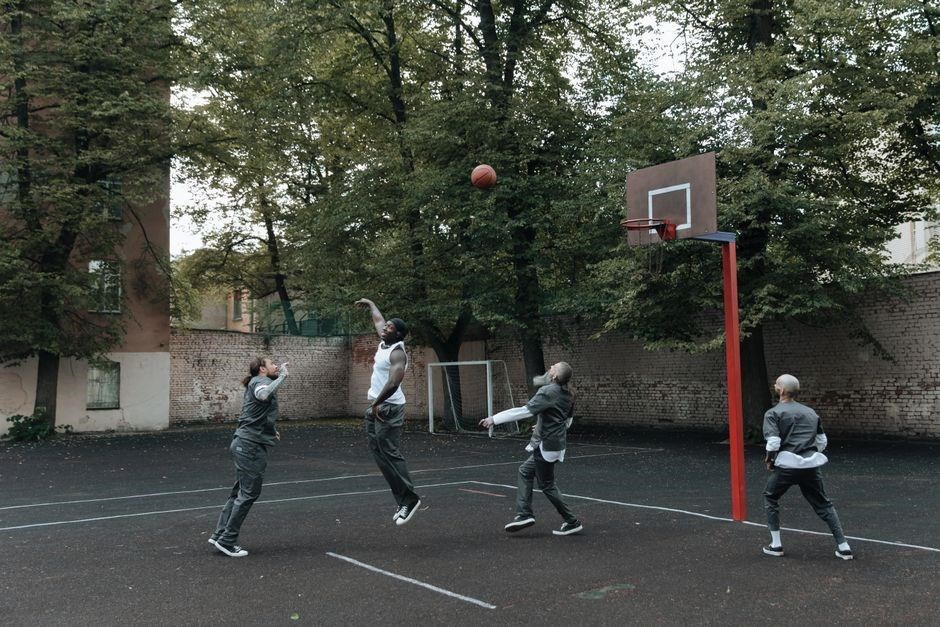
The Villanova Connection: Why the 5‑Out Works for the Wildcats
Villanova’s 5‑Out thrives on a roster of shooters, bigs, and disciplined ball‑handlers. The playbook’s spacing forces defenders to stretch, creating driving lanes and open perimeter shots. Kyle Smith’s coaching emphasizes quick decision‑making, letting Wildcats exploit mismatches and sustain rhythm!
Coaching Philosophy of Kyle Smith
Kyle Smith’s coaching philosophy centers on disciplined execution, player autonomy, and relentless defense. He believes the 5‑Out motion offense thrives when each player understands his role and trusts teammates to make smart choices. The playbook emphasizes quick ball movement, intentional spacing, and constant motion to create open looks.
Smith prioritizes fundamentals: footwork, shot selection, and defensive rotations. He trains players to read the defense, anticipate switches, and exploit mismatches. By fostering a culture of accountability, he ensures that every player contributes to the collective effort, whether on the perimeter or inside.
Offensively, the 5‑Out is a flexible framework that adapts to roster strengths. Smith’s system rewards shooters who can stretch the floor and bigs who can protect the rim. He encourages high‑energy play, rapid decision‑making, and a willingness to take calculated risks.
Defensively, the philosophy is equally rigorous. Smith demands disciplined help, aggressive perimeter pressure, and a focus on limiting high‑percentage shots. The playbook outlines rotations that keep defenders honest and forces opponents into contested situations.
Ultimately, Kyle Smith’s approach blends tactical precision with player empowerment. The 5‑Out motion offense becomes a vehicle for Villanova’s success when players internalize these principles, execute with confidence, and maintain relentless intensity on both ends of the floor. It also fosters a culture of continuous improvement and
Player Skill Sets and Fit
In the 5‑Out motion offense, each position demands a blend of athleticism, basketball IQ, and versatility. Guards must be reliable perimeter shooters, quick decision‑makers, and capable of initiating the offense with crisp passes. They should read defensive rotations, create space for teammates, and finish at the rim when opportunities arise. Wing players need mid‑range proficiency, defensive discipline, and the ability to stretch the floor with a dependable three‑point shot. They often serve as primary pick‑and‑roll partners, requiring solid ball‑handling and the ability to finish at the rim or pull up for a mid‑range jumper. Inside, the center or power forward must command the paint, protect the rim, and provide a reliable post presence. They need to hold their ground against double‑teams, possess a soft touch around the basket, and set effective screens. The 5‑Out system thrives when each player can switch seamlessly between roles, whether it’s a guard dropping into a post or a forward taking a catch‑and‑shoot opportunity. The playbook emphasizes complementary skill sets: a sharpshooter who can create his own shot, a slasher who can finish at the rim, a defender who can guard multiple positions, and a post player who can hold the ball and pass. This balance makes the offense unpredictable and difficult for defenses to anticipate. Recruiting and developing players allows the system to function at its highest level of efficiency and creativity. Ultimately, the success of the 5‑Out motion offense hinges on assembling a roster that reflects these diverse skill sets, ensuring every player contributes to the collective effort dailypractok.
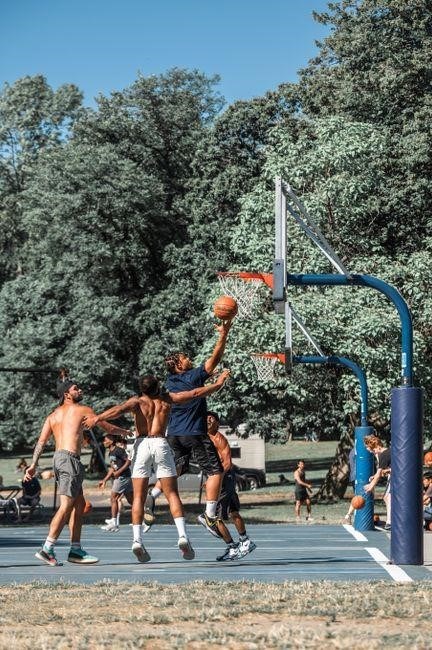
Fundamental Principles of the 5‑Out Motion Offense
The 5‑Out motion offense relies on spacing, ball movement, and player motion. Players rotate, create passing lanes, and read defensive shifts to exploit mismatches. The playbook emphasizes timing, decision making, and adaptability It thrives now
Ball Movement and Spacing
In the 5‑Out Motion Offense, ball movement is the engine that drives offensive rhythm; Players are positioned on the perimeter with deliberate gaps—typically 4‑5 feet between each shooter to create a wide, open court. The ball is rarely held; instead, it circulates through quick passes, screens, and cuts. This constant motion forces the defense to shift, creating exploitable mismatches and open lanes. The playbook emphasizes the importance of timing: a pass that arrives too early can be intercepted, while a delayed pass may allow the defense to collapse. Therefore, players must read the defense’s alignment, anticipate rotations, and execute passes with precision. The spacing principle ensures that each player has a clear path to the ball and a viable shot. By maintaining these gaps, the offense can stretch the defense horizontally, opening driving lanes for the ball‑handler and creating favorable shooting angles for shooters. The PDF diagrams illustrate how a ball‑handler can move from the corner to the top of the key, while the shooters shift to create a 3‑point window. When the ball reaches a shooter, the defender’s reaction time is stretched, allowing for a quick shot or a pass to an open teammate. This fluidity is reinforced through drills that focus on quick decision making and maintaining spacing under pressure. The playbook also highlights the role of the big man in spacing: by moving to the perimeter, he pulls the opposing center out of the paint. In sum, ball movement and spacing drive the offense and provide the canvas!

Decision‑Making and Reading the Defense
In the 5‑Out Motion Offense, decision‑making is a layered process that begins with a player’s awareness of spacing and ends with a precise execution of a pass, shot, or drive. The playbook teaches that each player must first identify the defensive alignment—whether the opponents are playing man‑to‑man, zone, or a hybrid. By observing the defender’s stance, footwork, and proximity to the ball, a player can anticipate the next shift; Once the defensive posture is read, the offensive player evaluates three options: 1) pass to an open teammate; 2) take a quick shot if the defender is over‑committed; or 3) drive to the rim if the defender is out of position. The PDF diagrams illustrate these scenarios with arrows and color‑coded zones, making it easier for players to internalize the decision tree. Coaches emphasize that timing is critical; a delayed pass can give the defense time to rotate, while a premature pass can be intercepted. To refine this skill, the playbook recommends drills that simulate defensive pressure, such as “3‑on‑3 pressure” and “pick‑and‑roll read‑and‑react.” These drills force players to make split‑second decisions while maintaining proper spacing. Additionally, the playbook stresses the importance of “reading the defender’s eyes” and “body language” to predict whether a defender will stay with the ball or switch. By mastering these cues, players can exploit mismatches, create open looks, and keep the defense guessing. Continuous repetition of these decision‑making drills, coupled with video review, ensures that each player internalizes the flow of the offense and can react instinctively during live games. Keep practicing and the results will follow!
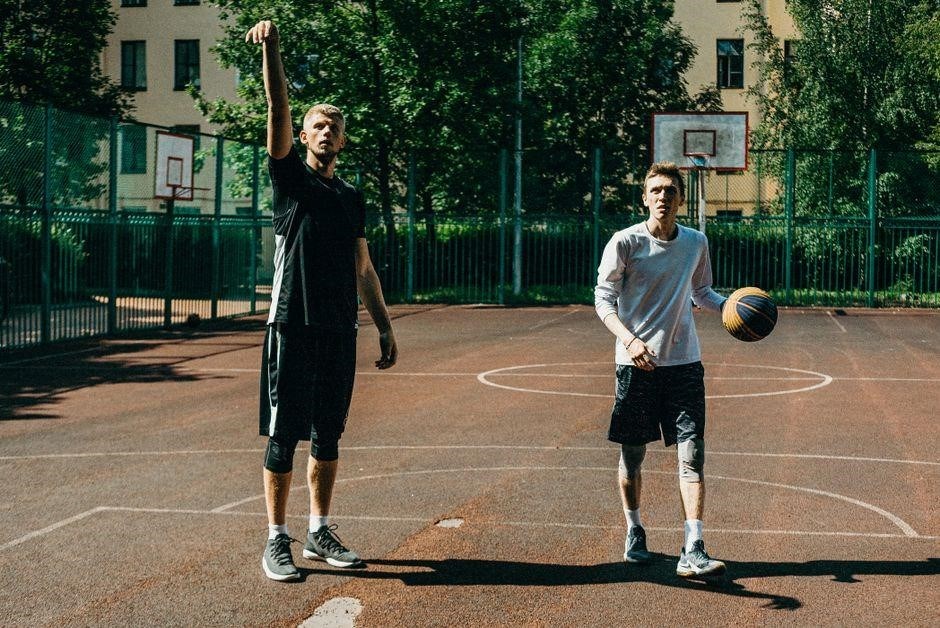
Releasing the 5‑Out: Practical Drills and Practice Routines

Start with a 10‑minute warm‑up focusing on spacing drills, then move to 5‑on‑5 motion scrimmages. Use the PDF’s “pick‑and‑roll read” drill to reinforce decision‑making. Finish with a 15‑minute “full‑court press” drill to simulate game pressure, ensuring players stay fluid and responsive. Keep up now.
Warm‑Up Drills for Spacing
Begin each session with a 5‑minute dynamic warm‑up that focuses on footwork and ball handling. Players should perform lateral shuffles, high‑low drills, and quick‑step pivots while maintaining a 2‑second delay before moving to the next station. This ensures that athletes develop the reaction time needed to keep proper spacing under pressure.
Next, set up a 3‑on‑3 spacing drill on the perimeter. Place one player at the top of the key, two at the wings, and one at the corner. The ball‑handler initiates a pass to the corner, then the wing passes to the top, and the top passes back to the wing. The key is to keep the spacing at 4‑5 feet between each player, allowing the ball‑handler to read the defense and make a quick decision. Rotate the ball‑handler through each position to reinforce the concept.
For a more advanced exercise, use the “mirror” drill. Two teams of five line up on opposite ends of the court. Two players line up at the baseline and the other team mirrors the movement. This drill emphasizes maintaining distance from teammates and staying out of the defensive zone. Add a defender to each side to simulate real‑game pressure.
Finish with a 10‑minute “spacing sprint” where players sprint from baseline to baseline while keeping the ball in motion. They must pass to a teammate who is positioned 5 feet away. If the pass is missed or the spacing is broken, the player must reset and start again. This high‑intensity drill builds endurance and reinforces the importance of spacing in a fast‑break scenario.
Practice these drills builds rhythm, translating into efficiency making the 5‑Out a strong weapon!
Pick‑and‑Roll Variations and Screening Techniques
In the 5‑Out Motion Offense, the pick‑and‑roll is a cornerstone that creates mismatches and opens lanes. Coaches at Villanova emphasize three primary variations: the traditional roll, the skip roll, and the double‑screen roll. Each variation requires precise timing, spacing, and communication.
The traditional roll begins with the ball‑handler driving toward the rim while the screener sets a firm, low‑to‑mid‑height screen. The screener must keep the defender’s shoulders in line with the ball‑handler’s path, ensuring a clean release. Once the defender is off‑balance, the screener rolls toward the basket, ready for a pass or a cut back to the perimeter. The ball‑handler must read the defender’s reaction: if the defender stays inside, the handler should pass to the rolling screener; if the defender over‑commits, the handler can pull up for a mid‑range jumper.
The skip roll adds a second screen that forces the defender to choose. After the initial screen, the screener steps to the opposite wing, creating a corridor for a back‑door cut or quick outlet pass to the corner. Timing and communication are key.

The double‑screen roll uses a second screener to force a defender switch. The first screener sets a standard screen, then the second sets a double that pushes the defender to fight through or switch. This creates a high‑percentage shot.
Screening technique demands a roll after the screen. Players must avoid head contact and use arms to keep the defense in motion !
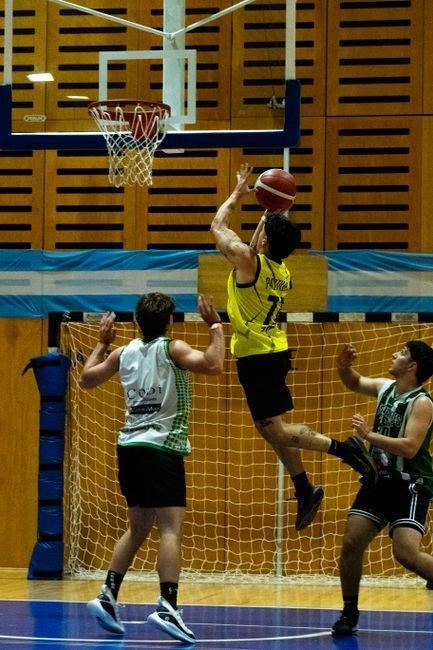
Analyzing the PDF Resources: How to Use the Official Villanova Playbook
The Villanova playbook PDF offers diagrams, player positions, and decision trees. Coaches overlay it on whiteboards, annotate key moves, and drill motion patterns. Studying flow charts reveals optimal spacing, timing, and defensive reads, allowing smooth 5‑Out integration in practice games!.
Navigating the PDF Layout
When opening the official Villanova 5‑Out PDF, the first screen presents a title page with the season year, coaching staff, and a brief overview. Scroll to the table of contents, which lists sections such as “Set‑ups,” “Motion Variations,” and “Defensive Adjustments;” Each entry is hyperlinked; clicking jumps to the relevant page, allowing quick reference during practice. The PDF uses a two‑column layout for each play: the left column shows a schematic diagram, while the right column contains concise notes, player numbers, and key timing cues. Diagrams are vector‑based, so zooming in reveals individual player paths without loss of clarity. The playbook’s footer includes a page number and a small logo, ensuring you can track progress during long sessions. A search function (Ctrl+F) is invaluable for locating specific plays or terminology, such as “pick‑and‑roll” or “off‑ball screen.” Some PDFs embed interactive elements like drop‑down menus for alternate routes; hovering over these reveals tooltip explanations. Finally, review the document’s metadata (File > Properties) lists the author, creation date, and version, confirming authenticity and ensuring you’re using the most recent playbook edition. During drills, emphasize the 5‑Out’s spacing by having players maintain a 2‑by‑2 grid, ensuring each player has a clear passing lane and a defensive matchup to challenge. Finally review play diagrams for adjustments
Extracting Key Plays and Schematics
The Villanova 5‑Out PDF is organized into clearly labeled sections, each containing a play schematic and a concise description. To extract a play, locate the section header, then click the hyperlink to jump directly to the diagram. The schematic uses a top‑down view with player numbers, arrows indicating movement, and color‑coded zones for spacing. Beneath the diagram, a brief note lists the play’s name, key timing, and the intended defensive reaction. For deeper analysis, right‑click the diagram and select “Save Image As” to create a high‑resolution copy for whiteboard use. If the PDF supports layers, toggle the “Player Paths” layer; this shows individual routes, useful for teaching motion principles. Many Villanova schematics include a “Read” column; this column outlines the decision tree for the ball‑handler, such as “if defender switches, pass to X; if no switch, drive.” Copying this column into a spreadsheet allows coaches to track how often each read is executed. Additionally, the PDF’s search function can locate all instances of a particular player number or movement phrase, making it easy to compile a set of plays that feature a specific skill set. Finally, export the selected pages to a PDF or image format, then annotate with arrows or notes in a separate document for practice drills. This workflow ensures that coaches and players can quickly reference, analyze, and implement the most effective 5‑Out motions. By dissecting each schematic, teams can identify optimal spacing and timing, turning theory into on‑court success. Practice drills reinforce concepts, ensuring consistency every game.