Marie Callender Pie Crust Baking Instructions: A Comprehensive Guide
Navigating the world of pie baking is easier with Marie Callender’s crusts! This guide offers detailed instructions‚ troubleshooting‚ and recipe ideas for delightful pies;
Understanding Marie Callender Pie Crusts
Marie Callender’s pie crusts are a convenient shortcut for bakers of all skill levels. These pre-made crusts aim to deliver a flaky‚ golden-brown base for your favorite pie fillings‚ saving valuable time in the kitchen. They are crafted to mimic the texture and taste of homemade crusts‚ offering a reliable result. Understanding their composition – typically a blend of flour‚ shortening‚ and other ingredients – helps in adapting baking techniques.
Whether you’re a seasoned pro or a beginner‚ these crusts provide a consistent foundation for sweet or savory creations‚ simplifying the pie-making process significantly.
Types of Marie Callender Crusts Available
Marie Callender offers a variety of crusts to suit different pie preferences. The most common is the refrigerated pie crust‚ typically sold in a pack of two‚ ideal for double-crust pies or two single-crust desserts. You can also find deep-dish pie crusts‚ designed for generously filled pies. Graham cracker crusts are available for cheesecakes and cream pies‚ providing a crumbly texture.
Occasionally‚ seasonal or limited-edition crusts appear‚ like chocolate or pecan varieties‚ expanding your baking options. Choosing the right crust depends on your recipe and desired pie style.
Pre-Baking Considerations
Before you begin‚ assess your recipe’s needs. Does it require a pre-baked (blind-baked) crust‚ or will the filling bake directly within the crust? Pre-baking is crucial for pies with wet fillings like cream or custard‚ preventing a soggy bottom. Consider the filling’s baking time; a longer bake may necessitate a slightly pre-baked crust to avoid over-browning.
Ensure your oven is properly calibrated for accurate temperature. Also‚ have pie weights or dried beans ready if blind baking is required for optimal crust shape.
Thawing the Crust
Proper thawing is key to a workable Marie Callender’s crust. Avoid thawing at room temperature for extended periods‚ as this can lead to uneven thawing and a sticky crust. The recommended method is refrigerator thawing. Simply transfer the frozen crust to the refrigerator and allow it to thaw gradually‚ typically overnight or for at least several hours.
This ensures a consistent texture and makes unrolling much easier. Do not attempt to force a partially frozen crust; patience is vital for success!
Temperature and Time for Thawing
For optimal results‚ thaw Marie Callender’s crusts in the refrigerator. A thawing time of 8-12 hours is generally recommended for a complete thaw‚ ensuring even softening. If you’re short on time‚ a cold water bath can expedite the process. Submerge the sealed crust in cold water‚ changing the water every 30 minutes‚ for approximately 1-2 hours.
Avoid using warm or hot water‚ as this can begin to cook the crust. Always check for flexibility before unrolling; a slightly cool‚ pliable crust is ideal.
Handling a Frozen Crust
Marie Callender’s frozen pie crusts require careful handling to maintain their quality. Keep the crust frozen until ready to use; avoid prolonged exposure to room temperature. If the crust becomes slightly brittle‚ it’s still usable‚ but work quickly to prevent cracking. Do not attempt to thaw at room temperature for extended periods‚ as this can compromise the texture.
Always handle the frozen crust gently‚ avoiding forceful bending or stretching. A slightly softened‚ but still cool‚ crust is easier to unroll and work with.
Preparing the Crust for Baking
Before filling‚ ensure the Marie Callender crust is properly prepared for optimal baking results. Gently unroll the crust‚ centering it within your pie dish. Lightly press the crust into the dish‚ ensuring it adheres to the bottom and sides. Trim any excess dough‚ leaving about an inch overhang for crimping.
For a visually appealing finish‚ crimp or flute the edges using your fingers or a fork. This step not only enhances appearance but also helps seal the filling within the crust during baking.
Unrolling and Positioning the Crust
Carefully remove the frozen Marie Callender crust from its packaging. Let it sit for a few moments to slightly soften‚ making it easier to unroll. Gently unfold the crust onto a lightly floured surface‚ avoiding any tears. Center the crust over your pie dish‚ ensuring even coverage.
Lightly press the crust into the dish‚ working from the center outwards. This helps it conform to the shape and prevents air pockets. Trim excess dough‚ leaving about an inch for crimping‚ creating a neat and professional edge.
Crimping and Fluting the Edges
Elevate your pie’s appearance with decorative edges! After positioning the crust‚ gently crimp the edges using your fingers or a fork. For a classic look‚ pinch the dough between your thumb and forefinger‚ creating a scalloped pattern. Alternatively‚ press the tines of a fork around the rim for a simple‚ textured finish.
Fluting adds an elegant touch. Use your fingers to create a continuous wave-like pattern around the entire edge. Ensure a secure seal to prevent filling from bubbling over during baking‚ resulting in a beautiful and functional crust.
Blind Baking the Crust
Prevent a soggy bottom with blind baking! This technique pre-bakes the crust before adding the filling‚ crucial for pies with wet fillings like custard or cream. Begin by gently pricking the bottom of the crust all over with a fork – this prevents puffing. Line the crust with parchment paper‚ ensuring it extends over the edges.
Next‚ weigh down the parchment with pie weights‚ dried beans‚ or rice. This maintains the crust’s shape during baking. Blind baking ensures a perfectly crisp and golden crust‚ ready for your delicious filling.
What is Blind Baking?
Blind baking is pre-baking a pie crust without filling. It’s essential when a recipe calls for a filling that doesn’t require baking‚ or bakes for a significantly shorter time than the crust. This prevents a soggy‚ underbaked bottom crust – a common pie-baking woe! The process involves lining the crust with parchment paper and weighting it down.
This weight prevents the crust from puffing up and losing its shape during the initial bake. It ensures a structurally sound and beautifully golden crust‚ ready to receive its flavorful filling.
Using Pie Weights
Pie weights are crucial for successful blind baking! They prevent the crust from puffing up‚ slumping‚ or shrinking during the initial bake. You can use ceramic pie weights‚ metal beads specifically designed for baking‚ or even dried beans or rice in a pinch. Ensure even distribution across the bottom and up the sides of the crust.
Covering the weights with parchment paper prevents sticking and makes removal easier. Properly weighted crusts maintain their shape‚ resulting in a perfectly formed shell ready for delicious fillings. Don’t skip this step!
Blind Baking Temperature and Time
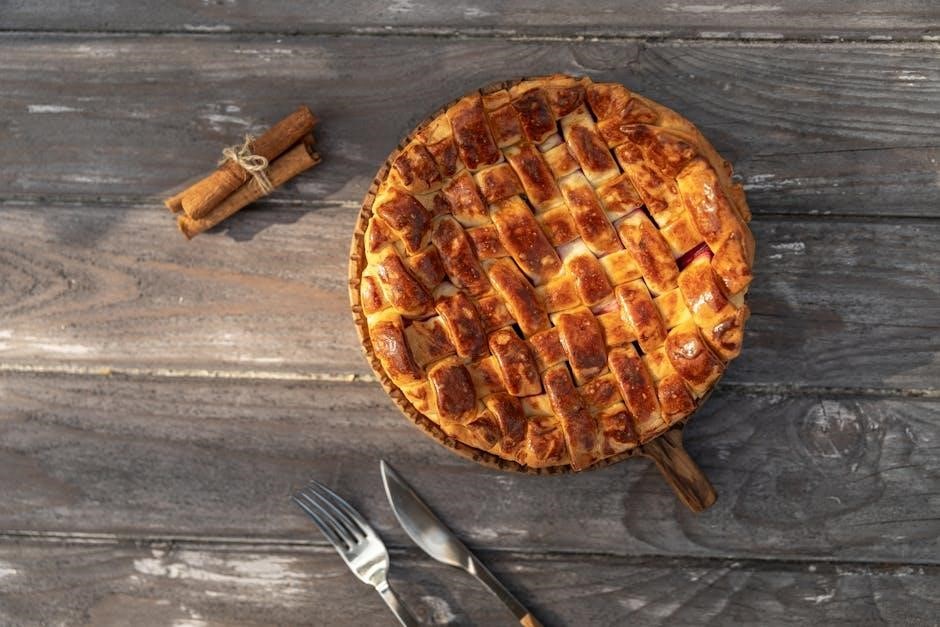
For a perfectly pre-baked Marie Callender’s crust‚ begin at 375°F (190°C) for approximately 15-20 minutes with pie weights. This initial bake sets the shape and prevents a soggy bottom. Remove the weights carefully after this stage. Continue baking for another 5-10 minutes‚ or until the crust is golden brown.
Monitor closely to avoid burning‚ especially around the edges. Adjust baking time based on your oven and desired crust color. A fully baked crust should be firm and lightly golden.
Filling the Pie Crust
Once cooled‚ your Marie Callender’s crust is ready for filling! Consider the filling’s moisture content; wetter fillings require longer baking or a thickening agent. Gently pour the filling into the prepared crust‚ avoiding spills onto the edges. For fruit pies‚ a sprinkle of flour or cornstarch can help absorb excess juices.
Ensure the filling reaches all areas of the crust. Don’t overfill‚ leaving about ½ inch of space at the top to prevent bubbling over during baking.
Appropriate Fillings for Marie Callender Crusts
Marie Callender’s crusts are versatile‚ suiting a wide range of fillings! Classic fruit pies like apple‚ cherry‚ and blueberry work wonderfully‚ as do creamy custard-based pies such as chocolate or coconut cream. Pumpkin and pecan pies are also excellent choices‚ showcasing the crust’s ability to hold rich‚ dense fillings.
Savory fillings‚ like chicken pot pie‚ are equally delicious. Avoid overly liquid fillings without proper thickening‚ as they can lead to a soggy bottom crust. Experiment and enjoy!
Preventing a Soggy Bottom Crust
A soggy bottom is a common pie woe‚ but easily avoidable! Pre-baking the crust (blind baking) creates a barrier against moisture. Brushing the bottom crust with a lightly beaten egg white before adding the filling also helps seal it. Using a metal pie pan conducts heat better than glass‚ promoting a crispier base.
Ensure the filling isn’t overly wet; thickening agents like cornstarch or flour are your friends. Baking on the lowest rack allows for maximum heat exposure to the crust’s underside.
Baking with Filling
Once filled‚ baking requires careful temperature control! Start with a higher temperature (around 425°F/220°C) for the initial 15-20 minutes to set the crust‚ then reduce it to 350°F/175°C for the remainder of the baking time. This prevents excessive browning while ensuring the filling cooks through.
Protect the edges from burning by using a pie shield or aluminum foil. Monitor closely‚ adjusting baking time based on your oven and filling type. A fully baked pie will have a bubbly‚ set filling and a golden-brown crust.
Temperature Adjustments for Filled Pies
Filled pies necessitate temperature adjustments for optimal results! Begin baking at 425°F (220°C) for 15 minutes to establish a firm crust foundation. Subsequently‚ lower the oven temperature to 350°F (175°C) to prevent over-browning and ensure thorough filling cooking.
Fruit pies generally require longer baking times than cream pies. Monitor closely; if the crust browns too quickly‚ reduce the temperature further or shield the edges. Adjustments depend on filling consistency and oven variations.
Baking Time Based on Filling Type
Baking duration varies significantly with filling composition! Fruit pies‚ like apple or cherry‚ typically bake for 50-60 minutes‚ ensuring fruit tenderness and sauce thickening. Cream pies‚ such as chocolate or coconut‚ require shorter baking times‚ around 30-40 minutes‚ to prevent curdling.
Custard-based pies demand gentle heat and may need longer‚ slower baking (60-75 minutes). Always check for a set center; a slight jiggle is acceptable. Monitor closely and adjust baking time based on visual cues and filling consistency.
Troubleshooting Common Issues
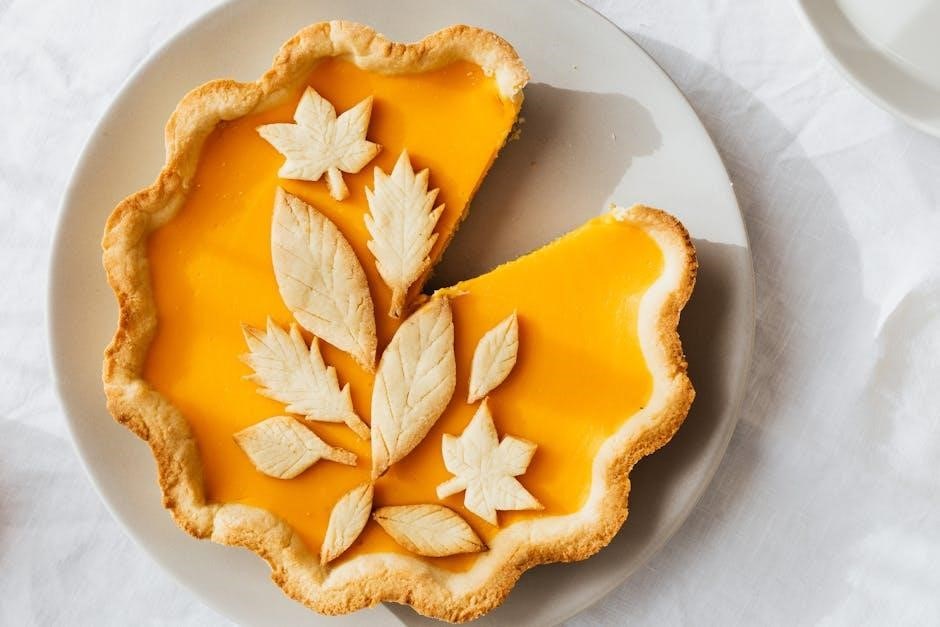
Pie baking isn’t always smooth sailing! Crust shrinkage often results from insufficient gluten development or overhandling. Burning or excessive browning indicates an oven temperature that’s too high; reduce heat and shield edges. Cracking stems from too little moisture or an overly dry dough.
To prevent these issues‚ chill the crust thoroughly‚ avoid overworking the dough‚ and consider an egg wash for a golden finish. Consistent oven temperature and careful monitoring are key to a perfect pie!
Crust Shrinkage During Baking
A common frustration is a shrinking pie crust! This typically happens due to insufficient gluten development in the dough‚ or overhandling which toughens it. Stretching the dough too thinly before placing it in the pie dish also contributes. Ensure the crust is chilled thoroughly before unrolling and transferring.
To minimize shrinkage‚ avoid overworking the dough and gently ease it into the dish. Chilling again after shaping helps maintain its form during baking. Consider blind baking with weights for extra stability!
Crust Burning or Browning Too Quickly
If your Marie Callender crust is browning too fast‚ it’s often due to a high oven temperature or the crust being positioned too close to the heating element. Immediately tent the pie with aluminum foil‚ creating a shield to deflect the heat. This slows down browning while allowing the filling to bake through.
Reducing the oven temperature slightly for the latter part of baking can also help. Watch closely and adjust as needed to achieve a golden-brown crust without burning!
Crust Cracking
Cracking in a Marie Callender pie crust usually indicates too little moisture or excessive handling of the dough. While minor cracks are often cosmetic and don’t affect the pie’s taste‚ significant cracking suggests the crust became too dry during preparation or baking.
To minimize cracking‚ avoid overworking the dough when unrolling. A light egg wash brushed over the crust before baking can also help seal minor fissures and promote even browning. Don’t worry too much; a delicious filling will mask imperfections!
Tips for a Golden Brown Crust
Achieving a beautifully golden-brown crust with Marie Callender’s pie is surprisingly simple! An egg wash – a beaten egg with a splash of water – brushed lightly over the crust before baking promotes even coloring and a glossy finish. Alternatively‚ a milk wash works well too.
Sprinkling a light dusting of granulated sugar over the egg wash adds extra sparkle and enhances browning. Ensure the oven temperature is accurate‚ and consider rotating the pie halfway through baking for uniform color.
Egg Wash Application
For a radiant‚ golden-brown finish on your Marie Callender pie crust‚ an egg wash is key! Gently whisk one large egg with a tablespoon of water‚ or milk‚ until fully combined and slightly frothy. Using a pastry brush‚ lightly and evenly coat the exposed crust edges – avoid letting it drip onto the filling.
This creates a beautiful sheen and encourages browning. For a deeper color‚ use just the egg yolk. Apply shortly before baking for optimal results‚ ensuring a visually appealing and delicious pie!
Sugar Sprinkling
Elevate your Marie Callender pie’s appearance and texture with a delicate sugar sprinkling! After applying the egg wash‚ lightly sprinkle granulated sugar or coarse sugar (like turbinado) over the crust edges. This adds a subtle sweetness and creates a delightful‚ sparkling crunch when baked.
The sugar caramelizes during baking‚ enhancing the golden-brown color and providing a pleasant textural contrast to the tender crust. Use a fine sieve for even distribution‚ and don’t overdo it – a light dusting is all you need!
Storage of Baked Pie Crust
Proper storage maintains the quality of your beautifully baked Marie Callender crust! For short-term storage (up to 2 days)‚ keep the cooled‚ baked crust loosely covered at room temperature. This prevents it from becoming stale or absorbing unwanted odors. For longer preservation‚ consider freezing.
To freeze‚ wrap the completely cooled crust tightly in plastic wrap‚ followed by a layer of aluminum foil. It can be stored frozen for up to 3 months‚ maintaining its structural integrity for future fillings!
Storing Leftover Crust
Don’t discard those leftover portions of Marie Callender’s pie crust! Properly storing them extends their usability for future baking endeavors. For short-term storage (1-2 days)‚ tightly wrap unused crust in plastic wrap and refrigerate. This prevents drying and maintains some flexibility.
For longer preservation‚ freezing is ideal. Wrap the leftover crust securely in plastic wrap‚ then place it in a freezer-safe bag. It can remain frozen for up to 2 months‚ ready for patching or small pie projects!
Freezing Baked Crust
Extending the life of your beautifully baked Marie Callender crust is simple with proper freezing techniques! Allow the crust to cool completely before wrapping. Double-wrap it tightly in plastic wrap‚ followed by a layer of aluminum foil‚ to prevent freezer burn and maintain its texture.
A frozen‚ baked crust can be stored for up to 3 months. When ready to use‚ thaw it in the refrigerator overnight. Reheat briefly in a low oven (300°F) to restore crispness before filling and enjoying your delicious pie!
Marie Callender Crust vs. Homemade Crust
Comparing Marie Callender’s crust to homemade reveals distinct advantages and disadvantages. Homemade crusts offer customization and a potentially flakier texture‚ but demand time and skill. Marie Callender provides convenience and consistency‚ ideal for busy bakers or those seeking reliable results.
Marie Callender’s crusts are pre-made‚ saving significant preparation time. While homemade allows full control over ingredients‚ the store-bought option delivers a quality base for delicious pies with minimal effort. The choice depends on your priorities and baking experience!
Pros and Cons of Each
Marie Callender crusts boast convenience‚ consistency‚ and time-saving benefits‚ perfect for quick desserts or bakers lacking confidence. However‚ they offer limited customization and may contain preservatives. Homemade crusts excel in flavor control‚ ingredient quality‚ and achieving a truly flaky texture.
The downside? They require significant effort‚ skill‚ and time investment. Choosing depends on your baking expertise and desired level of control. Marie Callender is ideal for ease‚ while homemade suits those prioritizing a personalized‚ from-scratch experience. Consider your needs!
When to Choose Marie Callender
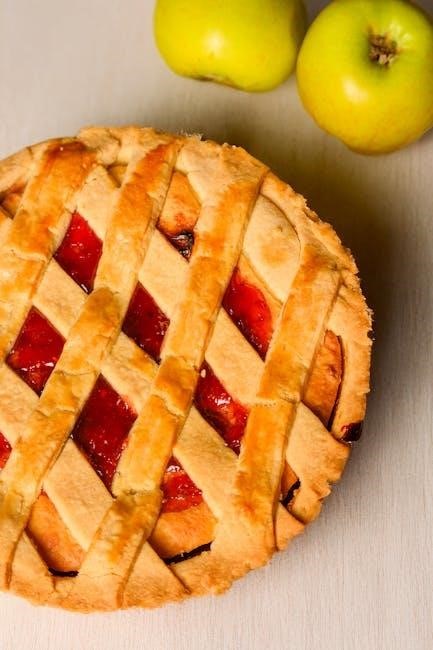
Opt for Marie Callender crusts when time is short or baking confidence is low. They’re excellent for weeknight desserts‚ impromptu gatherings‚ or when a quick‚ reliable crust is needed. If you’re a beginner baker‚ these pre-made options eliminate the complexities of pastry making‚ ensuring a successful outcome.
They’re also a smart choice for those prioritizing convenience over complete customization. Don’t hesitate to use them when a homemade crust feels daunting! Marie Callender provides a fantastic base for delicious pies without the fuss.
Recipe Ideas Using Marie Callender Crust
Unleash your creativity with Marie Callender’s versatile crusts! Start with a Classic Apple Pie‚ brimming with spiced apples and a buttery crumble topping. For chocolate lovers‚ a rich Chocolate Cream Pie offers decadent indulgence. Explore savory options like a quiche Lorraine‚ or a pot pie filled with tender chicken and vegetables.
Don’t limit yourself! Berry pies‚ pecan pies‚ and even key lime pies are effortlessly achievable. Marie Callender crusts provide a perfect foundation for countless sweet and savory creations‚ making baking a joy.
Classic Apple Pie
Begin with a Marie Callender crust‚ perfectly fitted into your pie dish. Prepare a filling of sliced apples – Granny Smith‚ Honeycrisp‚ and Gala blend beautifully – tossed with cinnamon‚ nutmeg‚ and a touch of brown sugar. Dot with butter for richness.
Pour the apple mixture into the crust‚ and optionally add a crumble topping of flour‚ butter‚ and sugar. Bake until golden brown and bubbly. This timeless dessert‚ elevated by a convenient crust‚ is a comforting classic for any occasion!
Chocolate Cream Pie
Utilize a pre-baked Marie Callender crust for a flawlessly smooth chocolate cream pie. Prepare a rich chocolate pudding – using cocoa powder‚ sugar‚ cornstarch‚ and milk – cooked until thickened. Allow to cool slightly before pouring into the cooled crust.
Top with freshly whipped cream‚ or a chocolate ganache for an extra decadent touch. A sprinkle of chocolate shavings completes this indulgent dessert. The ready-made crust simplifies this classic‚ delivering a creamy‚ chocolatey delight with ease!
Nutritional Information
Marie Callender’s pie crusts‚ while convenient‚ contain typical pastry ingredients. A single serving (approximately 1/6 of a 9-inch pie crust) generally provides around 160 calories‚ with 9g of total fat‚ including 3g of saturated fat. It also contains roughly 18g of carbohydrates and 1g of protein.
Be mindful of added sugars and fats when incorporating fillings. Allergen information indicates the crust contains wheat‚ soy‚ and may contain traces of milk. Always check the packaging for the most accurate and up-to-date nutritional details.
Calorie Count and Ingredients
A Marie Callender’s refrigerated pie crust (9-inch) typically contains around 280 calories per crust. Key ingredients include enriched bleached wheat flour‚ vegetable shortening (soybean and/or cottonseed oil)‚ water‚ and contains 2% or less of: salt‚ dextrose‚ sorbitol‚ mono and diglycerides‚ soy lecithin‚ citric acid‚ and wheat starch.
The crust also includes artificial flavor and yellow 5 lake for color. It’s important to remember this calorie count doesn’t include any filling‚ so factor that in when calculating total pie nutrition.
Allergen Information
Marie Callender’s pie crusts contain wheat‚ a major allergen for those with gluten sensitivities or celiac disease. They are also produced in a facility that processes soy‚ meaning cross-contamination is possible for individuals with soy allergies. The crust contains soy lecithin as an ingredient.
While not a primary ingredient‚ the manufacturing process may expose the product to tree nuts and milk. Always check the packaging for the most up-to-date allergen information‚ as formulations can change. Individuals with severe allergies should exercise caution.
Where to Purchase Marie Callender Crusts
Marie Callender’s pie crusts are widely available in the refrigerated section of most major grocery stores across the United States; Look for them alongside other pie crusts‚ baking mixes‚ and dairy products. Popular retailers include Kroger‚ Safeway‚ Albertsons‚ and Walmart. Availability can vary by location‚ so checking store inventories online is recommended.
For added convenience‚ some online retailers like Instacart and Amazon also offer Marie Callender crusts for delivery. Prices may differ between stores and online platforms‚ so compare before purchasing!
Grocery Store Availability
Finding Marie Callender’s pie crusts is generally straightforward‚ as they’re stocked in the refrigerated dough section of numerous grocery chains nationwide. Expect to locate them at stores like Kroger‚ Safeway‚ Albertsons‚ and Publix‚ though stock levels can fluctuate. Walmart and Target frequently carry them as well‚ offering competitive pricing.
Regional supermarkets often include Marie Callender’s crusts in their baking aisles. Utilizing the store’s website or app to verify availability before your visit is a smart strategy‚ saving you a potential trip if they’re temporarily out of stock.
Online Retailers
While not as consistently available as in physical stores‚ Marie Callender’s pie crusts can sometimes be purchased through online retailers. Options include Instacart‚ offering delivery from local grocery stores that stock the product‚ and Amazon‚ though availability varies significantly. Checking these platforms regularly is advisable.
Direct shipping from Marie Callender’s website isn’t currently offered for just the crusts. Be mindful of shipping costs and potential temperature control issues when ordering refrigerated items online to ensure freshness upon arrival. Availability changes‚ so frequent checks are recommended.